
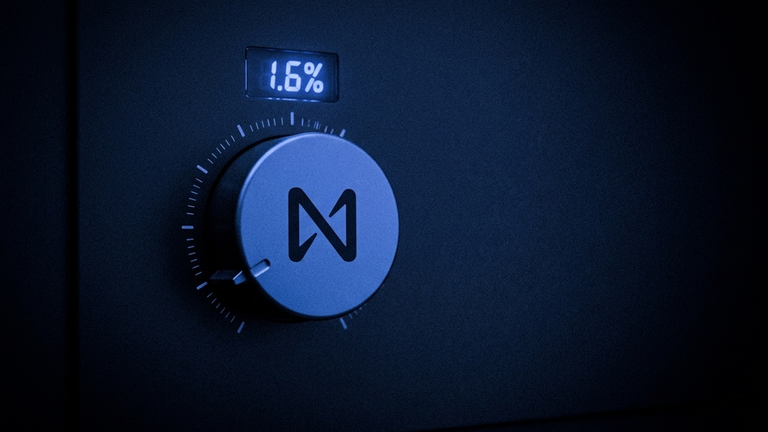
NEAR Protocol’s House of Stake has approved a proposal to reduce the network’s maximum annual token issuance from 2.5% to 1.6%. The change will be introduced gradually over 24 months, marking another step in the network’s effort to reduce token inflation.
The proposal, HSP-029, received 99.96% support through on-chain governance. It keeps the existing distribution of newly issued tokens unchanged, with 90% going to staking participants and 10% allocated to the protocol treasury.
The reduction will take place through a gradual adjustment across network epochs rather than an immediate cut. The proposal also includes a 90-day grace period before the scheduled reduction begins, following the required approval and validator adoption process.
NEAR Expects 11.8 Million Fewer Tokens Over Two Years
The proposal estimates that reducing the issuance rate will prevent approximately 11.8 million NEAR from entering circulation over the first two years. Over six years, the estimated reduction could reach 66.1 million tokens compared with the existing issuance schedule.
The change comes with a trade-off for people staking NEAR. Based on the proposal’s September 2026 network measurements, gross staking yield could decline from approximately 5.27% to 3.37% once the new issuance target is reached.
However, the lower rate would also reduce dilution for holders who do not stake their tokens. These holders currently receive no staking rewards but still experience the effects of newly issued supply.
The proposal argues that NEAR has matured enough to rely less on token issuance as an incentive. Its gradual approach is intended to give validators, delegators, and ecosystem participants time to adjust.
NEAR Intents Growth Supports The Changing Tokenomics
The issuance reduction comes as NEAR Intents becomes a more significant part of the network’s economic activity.
As reported in NEAR Intents generates $52M in fees as token buyback allocation tops $8M, the service processed approximately $10.4 billion in transaction volume during Q3 2026. Cumulative fees exceeded $52 million, while more than $8 million was captured for buybacks.
These developments are relevant because NEAR is increasingly connecting network usage with its token economics. Revenue generated through Intents can support NEAR buybacks, while lower issuance would slow the introduction of new tokens.
The two mechanisms serve different purposes: buybacks can create market demand, while reduced issuance limits additional supply. Their long-term impact will depend on continued platform activity and how acquired tokens are ultimately treated.
Validators Still Need To Adopt The Change
Although House of Stake has approved HSP-029, the new issuance schedule is not automatically active. Validators must adopt the corresponding protocol upgrade before the reduction can take effect.
The proposal also calls for quarterly reporting to track actual issuance against the planned schedule and monitor validator participation.
This is not NEAR’s first move to reduce inflation. The network previously lowered its maximum annual issuance from 5% to 2.5% in October 2025. The latest decision continues that direction, taking the maximum rate down to 1.6%.
As explained in NEAR plans to cut token issuance from 2.5% to 1.6%, the broader discussion is about making the network less dependent on inflation-based incentives as its ecosystem and revenue sources develop.
For NEAR holders, the next milestones will be validator adoption and the start of the 24-month reduction schedule. If implemented as planned, the change will lower supply growth while reducing the newly issued rewards available to stakers.


