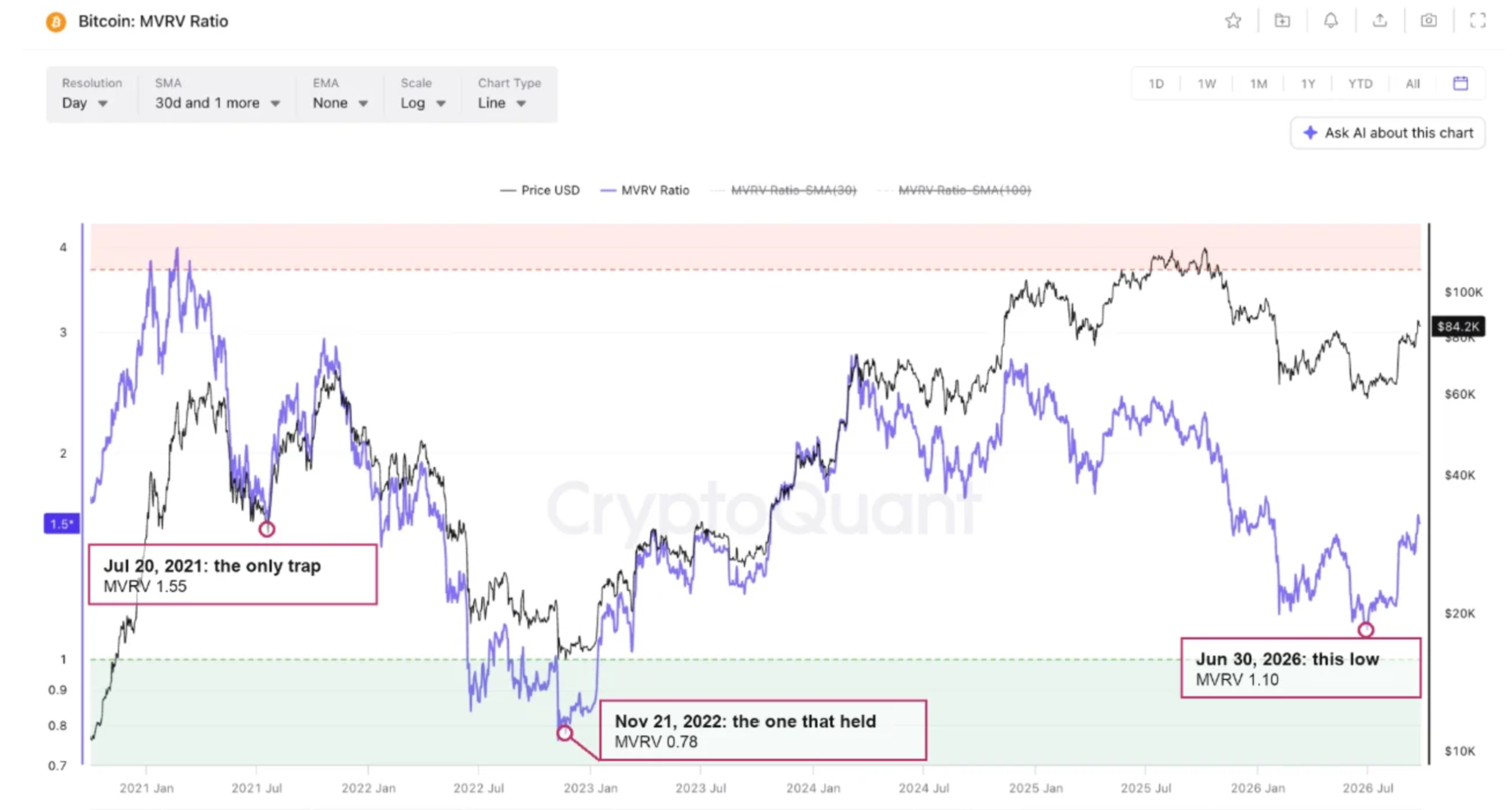
Bitcoin [BTC] is moving further from its June bottom, with the recovery now testing whether $58,535 can hold as a cycle low.
Since then, Bitcoin’s price has increased by 44.2% to around $84,400, a move greater than the average of historical recoveries from lows of 29.7%.
This increase may add strength to the current recovery, yet there is an additional potential drawback. The June drop was approximately 53.06%. Historically, drops of this magnitude have been followed by lower price levels.
In particular, 2021 saw a similar 53.10% drop, followed by another lower low.
However, BTC’s MVRV stood at 1.10 at the June bottom. This was less than the 1.55 seen in 2021. A significantly different cost basis potentially reduces pressure on Bitcoin to continue rising.
However, if the price falls below $58,535, it would represent a break into new territory and invalidate the assumption that $58,535 represents a low point.
Can Bitcoin hold the $58,535 floor?
The Bitcoin rally is setting a new course for the current cycle by breaking away from the collapse of 2021, but demand must continue absorbing supply.
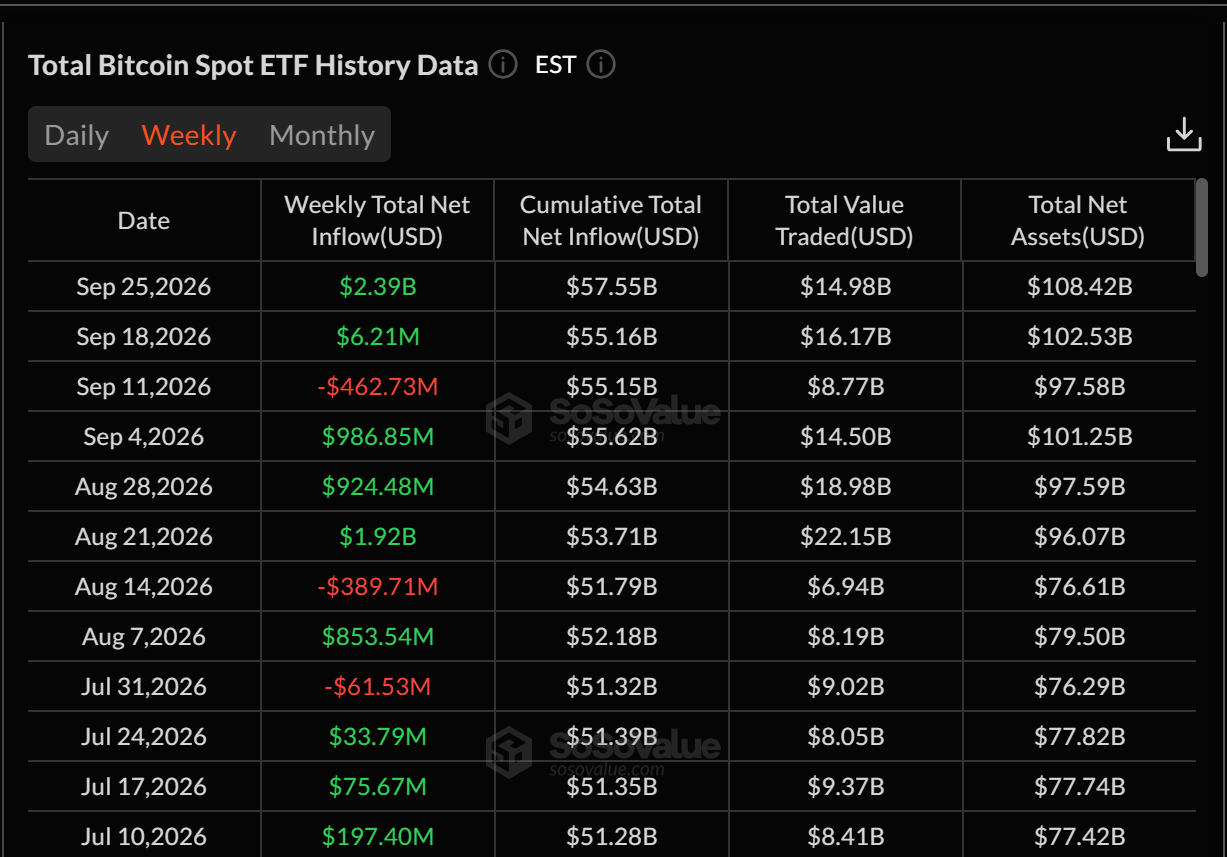
More importantly, for now, institutional demand seems to be supporting buyers, with weekly ETF inflows reaching $2.39 billion and monthly flows exceeding $2.7 billion.
As exchange reserves decrease, the available supply tightens, limiting the selling pressure as prices rise.
Leverage could, however, weaken this structure if traders become the primary force behind the rebound. Open interest already sits near the 30 billion range, and funding levels remain relatively modest.

If either were to spike sharply, liquidation risks would grow, potentially leading to another downturn in BTC.
Bitcoin’s rising profits test the rally
Bitcoin’s recovery is now creating a new pressure point as unrealized profits reach levels last seen in December 2024. The margin has gone from negative territory to well above 40% as BTC moves upward again towards $85,000.
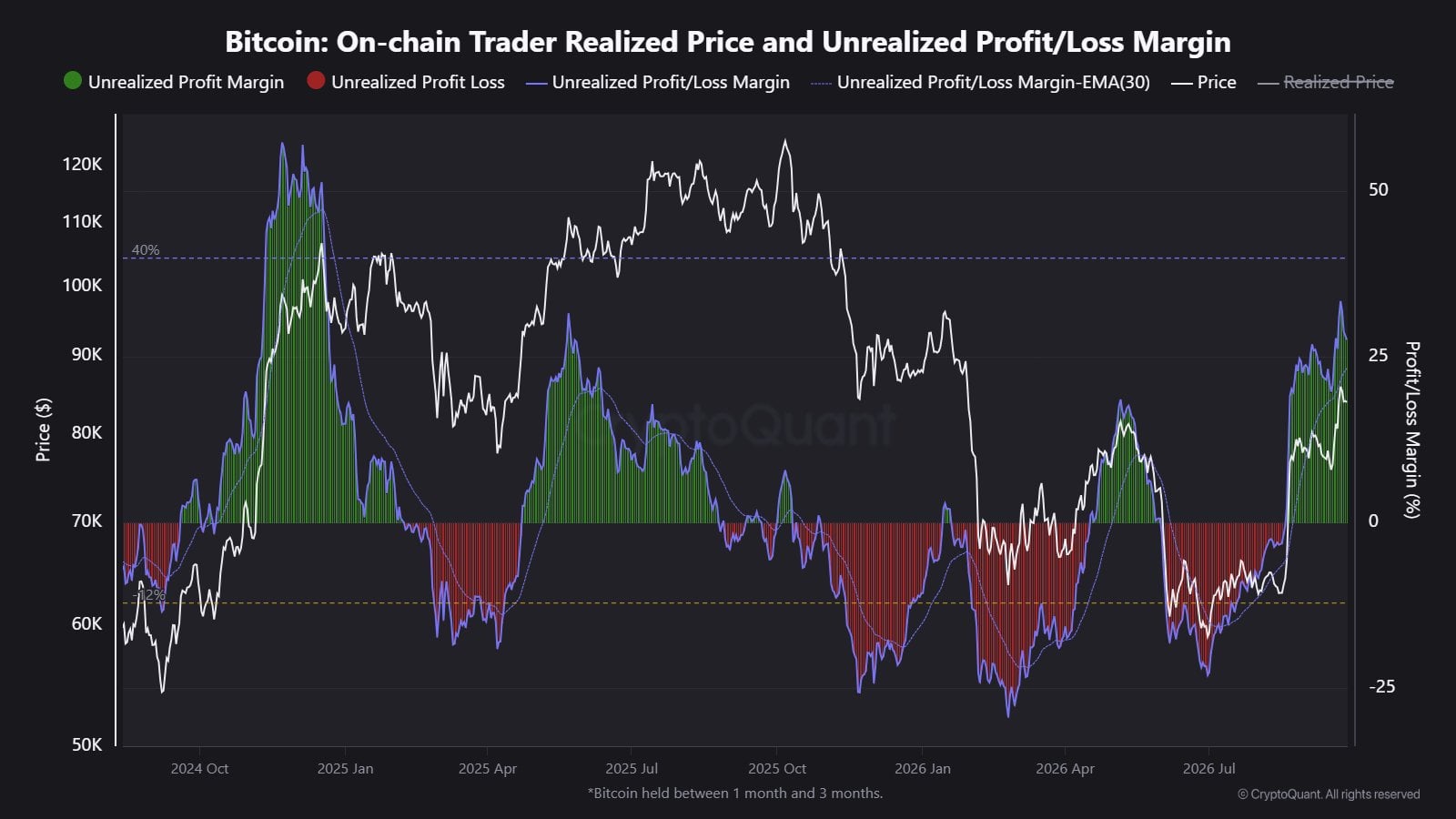
This shift means more short-term holders now sit on paper gains. As profits expand, some investors may lock in gains, increasing realized supply and testing whether demand can absorb it.
The market has seen similar profit-margin surges during strong advances, often followed by volatility. Therefore, the rise does not invalidate the recovery, but it raises the risk of profit-taking.
Sustained demand must absorb these sales to keep momentum intact.
Final Summary
- Bitcoin has recovered 44.2% from $58,535, but rising unrealized profits could increase profit-taking pressure.
- BTC still has strong ETF demand, but rising leverage and profit realization could test the recovery.